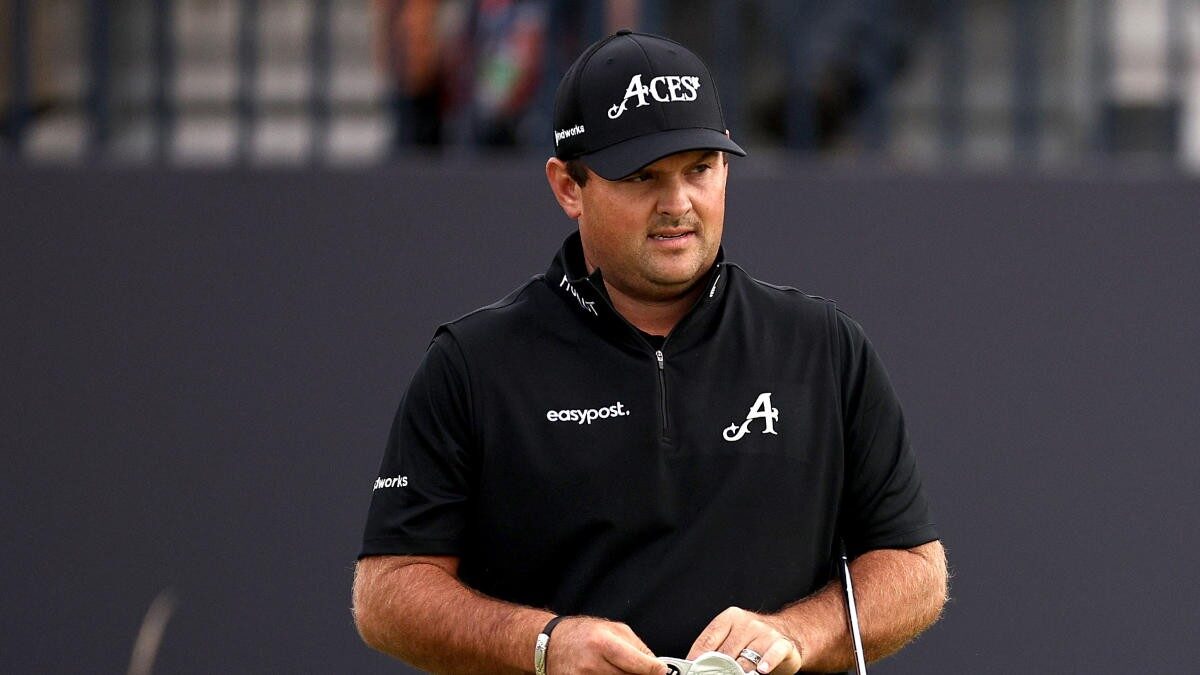
Golf Betting: Best Golfers in the World are Good at Ball Striking
The key to winning golf bets is to focus your wagers on golfers who have demonstrated strong ball-striking ability over time. Ball-striking is widely regarded as the foundation of consistent success in professional golf, as it reflects a player’s ability to control the golf ball both off the tee and on approach shots. By targeting players with elite ball-striking skills, you increase your chances of backing golfers who can reliably put themselves in positions to score well, regardless of fluctuations in luck or putting performance.
To identify these players, it’s important to dig into historical ball-striking statistics. Metrics such as strokes gained: approach, strokes gained: tee-to-green, greens in regulation (GIR), and proximity to the hole provide valuable insights into a golfer’s baseline skill level and consistency. For example, strokes gained: approach measures how much better (or worse) a player is on approach shots compared to the field, while strokes gained: tee-to-green encompasses performance off the tee, on approach, and around the green, excluding putting.
Greens in regulation shows how often a player is hitting the green in the prescribed number of strokes, and proximity to the hole gives an idea of how close they’re leaving their approach shots. Golfers who consistently rank highly in these areas are typically those who can withstand the ups and downs of a tournament and contend regularly.
However, while long-term statistics are crucial for establishing a player’s general skill, it’s equally important to account for a golfer’s recent form in these specific areas. Golf is a sport where performance can fluctuate from week to week due to factors like swing adjustments, physical condition, weather, and course setup. A player who’s historically been an excellent ball-striker may be struggling with their swing or battling an injury, which won’t necessarily show up in season-long stats. Conversely, a player on an upward trend with their ball-striking stats in the last few tournaments might be poised for a breakout, even if their overall season numbers are mediocre.
To make the most informed decisions, you should analyze both the long-term trends and the short-term fluctuations in a golfer’s ball-striking performance. For example, look for players who rate highly in strokes gained: approach and tee-to-green over the course of the season, but also check their numbers from the past few starts. Tools like the PGA Tour’s stats database or advanced golf analytics sites (Fantasy National) can help you pinpoint who’s trending up or down.
This approach also helps you avoid a common pitfall: overvaluing players who have recently posted good results due primarily to a hot putter or an unusually strong short game. While putting and chipping are important, they tend to be much more volatile and less predictive of future success than ball-striking. A golfer who wins thanks to making a high percentage of long putts or scrambling from difficult spots is unlikely to maintain that level of performance week after week. By focusing on ball-striking, you can filter out those who are riding temporary hot streaks and instead identify players whose underlying skills make them strong candidates to contend again.
To determine if a golfer is in good ball striking form, it’s helpful to analyze their performance across different recent timeframes—specifically the last 20, 10, and 5 tournaments. Examining ball striking statistics, such as strokes gained: approach, off the tee, and driving accuracy, over these intervals can reveal important trends. A golfer showing consistent or improving numbers in these metrics over the last 20 tournaments demonstrates sustained form, while a sharp uptick in the last 10 or 5 tournaments may indicate a recent surge in confidence or technical adjustments.
Declining stats in shorter windows could suggest emerging issues. By comparing these periods, you can get a clearer sense of whether the golfer’s ball striking is trending positively, plateauing, or regressing, which is crucial for predicting future performance.
The most effective strategy for profitable golf betting is to prioritize golfers with strong, consistent ball-striking—both over the long term and in recent events. By combining historical data with current form, you can better predict which players are likely to perform well in upcoming tournaments. This disciplined, stats-based approach gives you a significant edge over those who rely on surface-level results or gut feelings, ultimately leading to smarter and more successful golf bets.